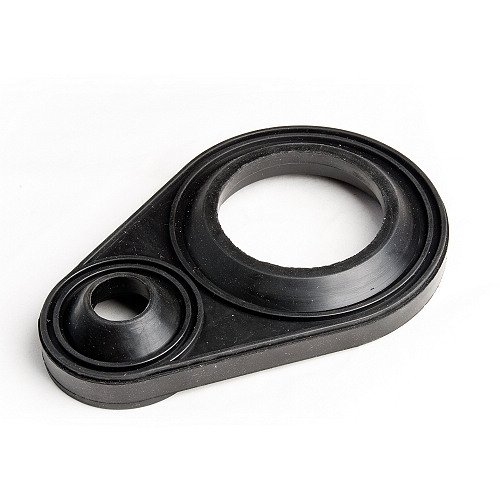
Why Rubber Quality Matters in Plumbing
Rubber seals are the unsung heroes of plumbing systems. A failed seal means water damage, sewer gas leaks, and expensive repairs. Whether you’re a wholesaler stocking toilet repair parts or an OEM brand specifying components, understanding rubber materials is essential to making the right choice.
Common Rubber Materials for Toilet Seals
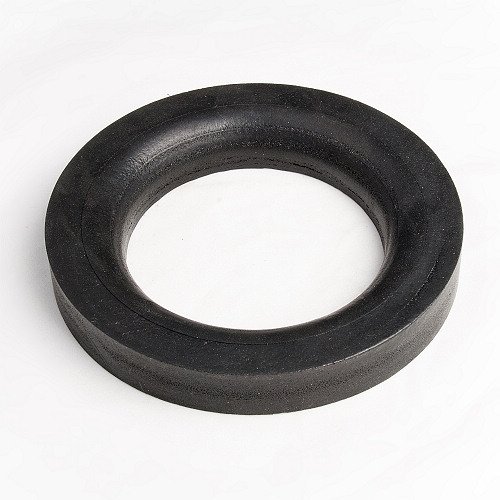
EPDM (Ethylene Propylene Diene Monomer)
Best for: Hot and cold water applications, outdoor exposure.
EPDM offers excellent resistance to heat, ozone, and weathering. It’s widely used in fill valve seals and tank-to-bowl gaskets. Temperature range: -40°C to 150°C. Not recommended for petroleum-based environments.
NBR (Nitrile Butadiene Rubber)
Best for: Oil and grease resistance.
NBR performs well where petroleum products may be present. Good compression set resistance makes it ideal for O-rings and washers. Temperature range: -30°C to 120°C.
Silicone Rubber
Best for: Extreme temperatures, food-grade applications.
Silicone handles temperatures from -60°C to 230°C and is odorless/tasteless. Excellent for high-end plumbing fixtures but more expensive than EPDM or NBR.
Natural Rubber
Best for: General sealing, cost-effective solutions.
Good elasticity and tear resistance at a lower price point. Less resistant to heat aging and ozone compared to synthetics. Common in wax ring components and general gaskets.
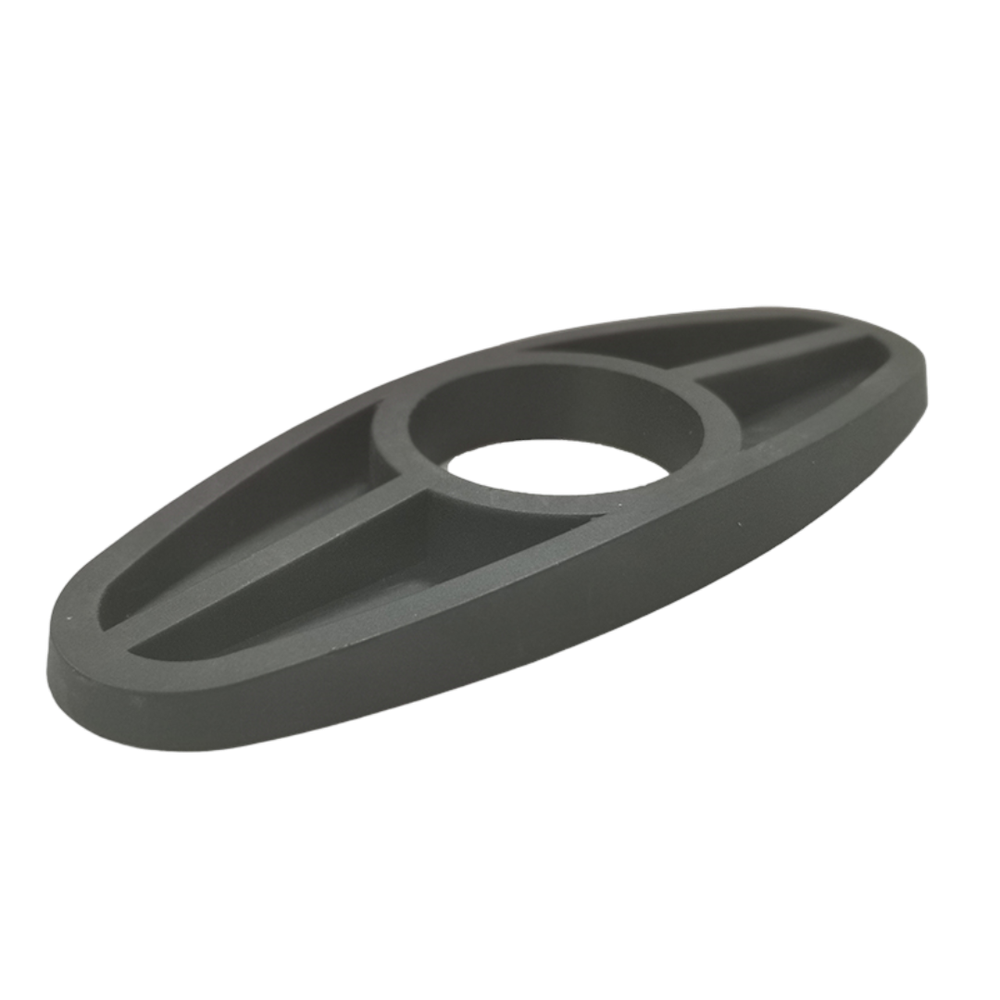
Butyl Rubber
Best for: Wax-free toilet seals, airtight applications.
Superior gas impermeability makes butyl rubber perfect for wax-free toilet seals. Excellent aging resistance and flexibility. Temperature range: -30°C to 120°C.
PE / EVA Foam
Best for: Light-duty sealing, spacer applications.
Closed-cell foam provides good compressibility at low cost. Used in sponge seals and gasket applications where water resistance is needed without high pressure.
Key Quality Indicators
- Hardness (Shore A): Typically 40-70 for toilet seals. Too soft = leaks. Too hard = won’t seal properly.
- Compression Set: Measures how well rubber recovers after compression. Lower % = better.
- Tensile Strength: Minimum 8-10 MPa for plumbing seals.
- Material Certification: REACH, RoHS compliance for EU markets.
- Factory Certification: ISO 9001 ensures consistent batch quality.
How to Evaluate a Rubber Seal Supplier
- Ask for material test reports — hardness, tensile, compression set data
- Request production samples before bulk orders
- Check certifications — ISO 9001, REACH, RoHS
- Visit the factory or request video tour of production lines
- Start with a trial order to verify quality and delivery
Red Flags to Avoid
- No material testing documentation
- Unusually low pricing (likely recycled/reclaimed rubber)
- Inconsistent hardness between samples and production
- No clear quality control process
- Unwilling to provide samples before order
Conclusion
Choosing the right rubber material and supplier makes the difference between a reliable product and costly failures. For toilet seals, EPDM and butyl rubber are top performers. Always verify material certifications and factory quality systems before committing to a supplier.
Sunwell Sanitary manufactures rubber seals in EPDM, NBR, silicone, natural rubber, and butyl rubber — all under ISO 9001 quality management. Request samples and material datasheets →